Children experience a wide range of emotions every day, from excitement and happiness to frustration, sadness, and disappointment. However, understanding and explaining those feelings isn’t always easy. Younger children may struggle to find the right words, while older kids might prefer keeping their worries to themselves.
As parents, helping children express their emotions is an important part of raising confident, emotionally aware individuals. Fortunately, these conversations don’t always need to happen through serious discussions. Simple family activities, creative projects, and everyday interactions can provide opportunities for children to explore and communicate their feelings.
Whether you’re building something together, drawing pictures, or playing imaginative games, these shared experiences can encourage emotional expression while strengthening your relationship with your child.
Here are some practical ways to help your kids understand and communicate their feelings.
Encourage Emotional Expression Through Creative Activities
Children often find it easier to express emotions through activities rather than direct conversations. Drawing, painting, building, and crafting give them opportunities to explore their feelings without the pressure of finding the perfect words.
Set aside time for simple creative projects using materials you already have at home. Provide paper, crayons, markers, or modelling clay, and encourage your child to create something that represents how they’re feeling.
For example, ask them to draw what happiness looks like or use different colours to represent excitement, frustration, or sadness. There are no right or wrong answers because the goal is self-expression rather than creating a perfect piece of artwork.
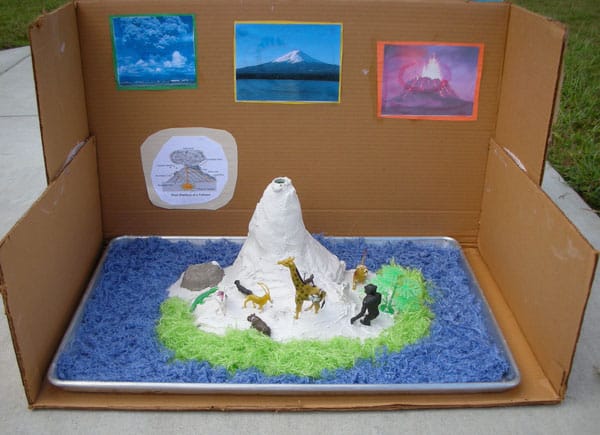
You can also build a simple emotion board using cardboard and coloured paper. Let your child design different facial expressions and attach labels such as happy, worried, excited, or disappointed.
These hands-on activities make emotional conversations feel more natural and give children a creative outlet they can return to whenever they need it.
Practice Active Listening
One of the most valuable things parents can do is listen when their children want to talk.
When your child shares something that’s bothering them, give them your full attention. Put away distractions, sit comfortably together, and allow them to explain what happened without interrupting.
Instead of immediately offering solutions, ask gentle questions that encourage further conversation.

For example, you might ask, “What was the hardest part of your day?” or “How did you feel when that happened?”
Acknowledge their emotions even when their reaction seems bigger than the situation. Saying, “I understand why that upset you,” shows that you’re taking their feelings seriously.
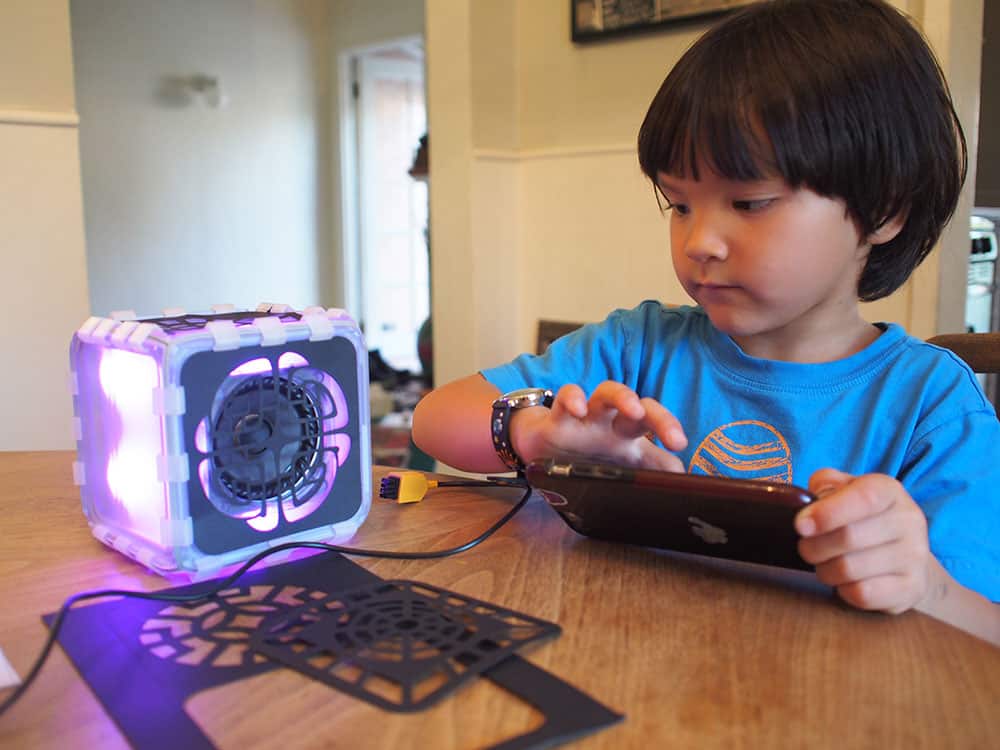
Some children open up more easily while doing something alongside a parent. Working on a puzzle, assembling a small project, or taking a walk can make conversations feel less intimidating than sitting face-to-face.
Create a DIY Calm-Down Corner
Having a comfortable place to relax can help children take a break when their emotions feel overwhelming.
Instead of simply telling your child to calm down, involve them in creating a dedicated space where they can rest, think, or enjoy a quiet activity.
Choose a corner of their bedroom or another peaceful area of your home. Add a soft cushion, a favourite blanket, and a small basket of comforting items.
Let your child help decorate the space with drawings, handmade decorations, or a colourful sign.
You could also include a few simple activities, such as:
- A colouring book and crayons for creative expression.
- A notebook for writing or drawing feelings.
- A favourite stuffed animal or comforting toy.
- Picture books about emotions and friendships.
- A homemade feelings chart.
Explain that this space is available whenever they need a little quiet time. It shouldn’t be used as punishment or a place where children are sent away for expressing difficult emotions.
Giving children a say in designing their space can make it feel more personal and welcoming.
Introduce Healthy Ways to Understand Difficult Emotions
As children grow, they may experience more complicated emotions related to friendships, school, family changes, or personal expectations.
Helping them recognize connections between their thoughts, feelings, and actions can be useful.
For example, if your child becomes upset after struggling with a school project, ask what they were thinking when things became difficult. They might say, “I’m terrible at this,” or “I’ll never get it right.”
Encourage them to consider a more balanced perspective, such as, “This is difficult, but I can practise and improve.”
This approach shares some principles with Cognitive Behavioural Therapy (CBT), a structured form of psychological treatment that helps people recognize unhelpful thinking patterns and develop coping strategies.
For families researching CBT therapy Hamilton, the linked service explains how CBT addresses the relationship between thoughts, feelings, and behaviours. It offers therapy for teenagers aged 14 and older and adults.
Parents concerned about a younger child’s ongoing emotional difficulties can speak with a pediatrician or qualified child mental health professional about age-appropriate support.
At home, everyday activities such as keeping a feelings journal or discussing challenges during creative projects can encourage reflection. These activities are useful opportunities for conversation, although they are not substitutes for professional therapy when treatment is needed.
Use Storytelling and Imaginative Play
Pretend play gives children an opportunity to explore situations and emotions in a comfortable, imaginative setting.
Create a simple puppet theatre using a cardboard box, fabric scraps, and homemade paper puppets. Let your child invent characters and act out situations involving friendship, disappointment, excitement, or problem-solving.
For example, one puppet might feel sad because another character doesn’t want to play. Ask your child how the puppet might feel and what could help resolve the situation.
You can also create a storytelling game where each family member adds a sentence to a story. Introduce characters who experience different emotions and encourage your children to decide how those characters respond.
Building stories together allows children to explore feelings from different perspectives while developing creativity and communication skills.
Keep the activity enjoyable and avoid turning every story into a lesson. Sometimes, imaginative play is simply a chance to have fun together.
Show Children How to Manage Your Own Emotions
Children learn a great deal by observing how adults respond to everyday challenges.
When a household project doesn’t go as planned or you’re feeling frustrated, demonstrate how to handle the situation calmly.
For example, if you’re building a model together and a piece doesn’t fit, you might say, “I’m getting frustrated because this isn’t working. I’m going to take a short break and try again.”
This shows your child that frustration is a normal emotion and that taking a break can be a constructive response.
You can also talk about positive emotions. Share when you’re proud of something you’ve accomplished or excited about a family activity.
If you react impatiently, acknowledge it and apologise when appropriate. Children benefit from seeing adults take responsibility for their behaviour and make an effort to respond differently next time.
By modelling healthy emotional expression, you make it easier for children to understand that all feelings are acceptable, even though some behaviours need boundaries.
Make a Family Feelings Journal
A family journal can be a simple project that combines creativity, reflection, and communication.
Start with an inexpensive notebook and let your child personalize the cover with drawings, stickers, or craft materials.
Encourage them to record something about their day. Younger children can draw pictures, while older kids may prefer writing a few sentences.
You could suggest prompts such as:
- What made you smile today?
- Did anything make you feel worried or frustrated?
- What was something you felt proud of?
- Is there anything you’d like help with tomorrow?
The journal doesn’t have to become a daily assignment. Let children participate when they feel comfortable, and respect their privacy if they want to keep certain entries to themselves.
For a shared family version, each person can contribute something positive from the week or write about a challenge they worked through.
Over time, this activity can help make conversations about feelings a familiar part of family life.
Build Confidence Through Shared Projects
Completing a hands-on project together provides opportunities for children to practise patience, problem-solving, and communication.

Choose an activity that suits your child’s age and interests. It might be building a birdhouse, planting a small garden, creating a homemade board game, or designing a cardboard fort.
Give your child appropriate responsibilities and allow them to make decisions about the project.
When something goes wrong, resist the temptation to immediately fix it. Instead, ask what they think could work and offer guidance when needed.
Celebrate their effort, creativity, and willingness to try again rather than focusing only on the finished result.
These experiences create natural moments to talk about disappointment, excitement, pride, and perseverance. They also remind children that mistakes are part of learning.
Know When Additional Support May Help
Creative activities and open communication are valuable, but some children may need additional support when managing difficult emotions.
Pay attention to persistent changes in behaviour, sleep, friendships, school participation, or interest in activities they previously enjoyed.
If emotional difficulties are ongoing or interfering with daily life, consider speaking with your child’s pediatrician, school counsellor, or a qualified mental health professional.
Seeking support can help families better understand their children’s needs and identify appropriate strategies.
Continue making time for relaxed, positive activities at home. Even when children are receiving professional support, shared experiences and consistent family routines can provide comfort and connection.
Make Emotional Expression Part of Everyday Family Life
Helping children express their feelings doesn’t require expensive resources or complicated activities. Often, the most meaningful opportunities come from ordinary moments spent together.
A simple art project, a conversation during playtime, or a shared building activity can create space for children to communicate what they’re experiencing.
Be patient as your child develops their emotional vocabulary and confidence. Some children enjoy talking openly, while others need more time or prefer expressing themselves through creative activities.
By listening carefully, encouraging hands-on exploration, and demonstrating healthy emotional habits, you can help your children develop practical skills for understanding and communicating their feelings.
Most importantly, these everyday experiences remind children that their emotions matter and that they have someone they can turn to for support.