School holidays at our place look a little different depending on who you ask. The younger kids want to build things, get messy, and be outside. The teenagers want to sleep in and do nothing. And somewhere in the middle, I am trying to make sure nobody loses two weeks to screens alone.
Over the years we have landed on a rhythm that actually works – hands-on projects for the little ones, and some structured support for the older ones who are heading into serious exam years. Here is what that looks like for us.
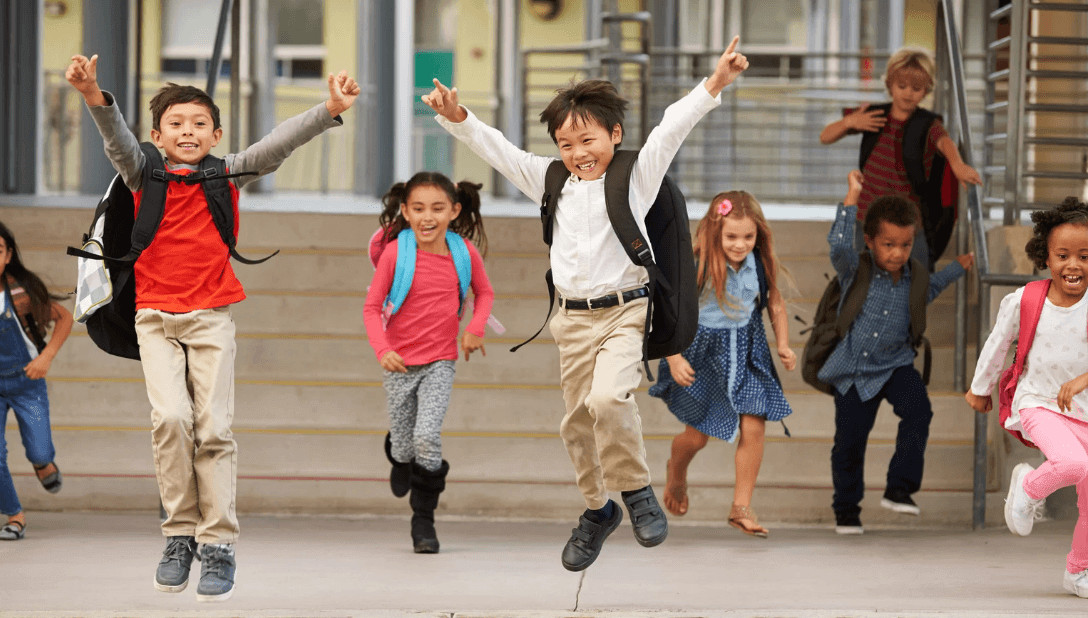
For the Younger Kids: Build Something Real
If you have primary school-age children, school holidays are honestly the best time for project-based learning. There is no rushing out the door, no homework to finish first. Just time and space to make something.
Some of our favourite holiday projects:
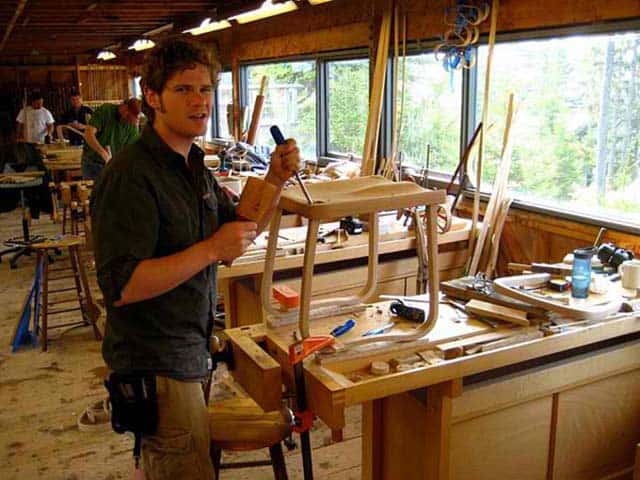
- Simple woodworking – birdhouses, small shelves, toolboxes. Kids learn measurement, patience, and what it feels like to finish something with their hands
- STEM challenges – paddle pop stick bridges, marble runs, solar-powered toys from kits. These keep older primary kids genuinely engaged for hours
- Gardening – planting and watching things grow gives kids a sense of responsibility that translates well into school
- Basic electronics – circuit-building starter kits are affordable and introduce concepts they will see later in science class
The rule we use is simple. Start small, finish it, then move on. A completed birdhouse is worth ten half-finished projects.
For the Teenagers: Making the Most of the Break
By the time kids hit Year 11 and 12, the holiday dynamic shifts. The pressure of exams is real and the breaks between terms are shorter than they feel. A few focused hours each day during the holidays can make a genuine difference when term resumes.
What has worked best for our older ones is finding targeted support for the subjects where they have gaps – the things classroom teaching covers quickly but students need more time to actually understand.
We looked into learning support for kids during the holidays as an option, and honestly the flexibility of being able to do it from home without disrupting the whole break made it much more achievable than we expected. Students can work with tutors who know the specific curriculum they are studying, whether that is in WA, Victoria, or New South Wales.

Balancing Both at the Same Time
The real challenge is managing two very different sets of needs under the same roof during the same two weeks.
A few things that help us:
Loose structure beats no structure. Younger kids do well with defined activity blocks – building in the morning, outside after lunch. Teenagers need flexibility but benefit from having a couple of quiet hours built into each day rather than leaving everything to the final days of the break.
Make screens purposeful. Building tutorials on YouTube are genuinely educational for younger kids. Tutoring sessions online are a productive use of screen time for older students.
Let the older ones model the habit. When a teenager sits down to do something focused, younger kids often follow suit with their own projects. The atmosphere of the house matters more than most parents realise.
Why the Holidays Matter More Than We Think
The students who do well in senior school are rarely the ones who crammed at the end. They are the ones who used the quieter periods – weekends, short breaks, and especially school holidays – to fill in the gaps before the pressure of term returned.
If your teenager is heading into an exam year and struggling with a subject, the holidays are the lowest-stress window to sort it out. No test next week, no assignment due. Just the space to actually understand something properly.
What We Have Learned
School holidays do not have to be all rest or all work. The balance that works for us is creative and physical for the younger ones, structured and supported for the older ones. It takes a bit of planning at the start of the break but the payoff when term starts again is worth it every time.