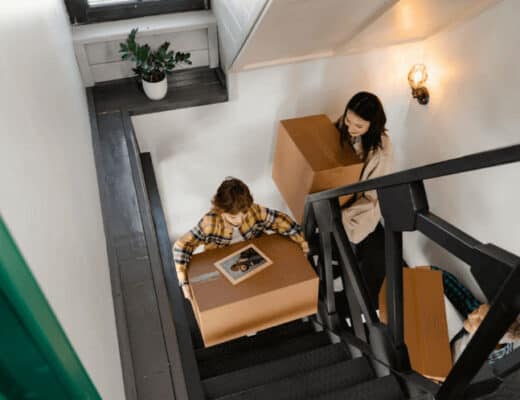
A child notices things adults stop paying attention to. A loose stair railing becomes part of a game. A slippery kitchen floor turns into a running track after dinner. Even the sharp edge of a coffee table somehow attracts constant attention from curious little hands.
That is why homes begin feeling different once children are involved. Rooms that once felt comfortable suddenly reveal small risks hiding in plain sight. Parents start thinking in watch-every-corner mode without even realizing it. Safety becomes tied to routines, furniture placement, and even the condition of exterior spaces surrounding the house.
In Portland, where rainy weather often keeps families indoors for longer stretches during parts of the year, homes are expected to handle heavy daily use from children. Entryways become crowded with wet shoes and backpacks. Floors stay busier, noisier, and far more unpredictable once younger children move constantly from room to room.
A safe home rarely depends on one dramatic upgrade. Instead, comfort and protection are shaped through smaller decisions that quietly support everyday family life. The goal is not to create a perfect house. The goal is to create a space where children can explore comfortably while parents feel more at ease throughout the day.

Outside Problems Affect Indoor Comfort Too
Many parents focus heavily on indoor childproofing while overlooking how strongly exterior conditions affect comfort inside the home. Damaged siding, trapped moisture, and weakened exterior materials may seem minor at first, though those problems can eventually affect walls, flooring, and indoor air quality if ignored.
Families noticing drafts, peeling paint near windows, or moisture buildup along interior walls should contact a reliable Portland siding contractor before those issues spread further. Siding protects more than the outside appearance of a house. It helps block moisture, support insulation, and reduce exposure to outdoor weather conditions that may slowly affect indoor living spaces.
Young children spend much of their time close to floors, walls, and playroom corners, which makes household comfort especially important. If moisture begins collecting behind exterior surfaces, rooms may start feeling colder, damper, or less comfortable without obvious warning signs initially.
For example, one family may begin noticing chilly drafts inside a child’s bedroom during rainy weeks. Another may spot bubbling paint near lower walls after repeated moisture exposure. These situations often seem manageable at first glance, though exterior problems can quietly affect everyday comfort throughout the home.
Would a house still feel safe and relaxing if hidden moisture problems continued spreading behind the walls? Many parents begin paying closer attention once those smaller warning signs appear more regularly.
The Little Everyday Hazards Matter Most
Large household dangers usually receive immediate attention. Smaller risks, however, tend to become part of everyday routines until accidents happen unexpectedly.
Young children move quickly and impulsively. They climb furniture, pull on cords and run through rooms without recognizing danger. That is why the smallest details inside a home often matter the most.
Several everyday hazards deserve regular attention:
- Loose rugs near stairs or hallways
- Sharp furniture corners near play areas
- Cleaning products stored within reach
- Heavy furniture that is not anchored properly
- Slippery bathroom floors after baths
None of these issues seem dramatic on their own. Together, though, they create constant opportunities for accidents inside busy family homes.
Parents also become distracted naturally during daily routines. Dinner preparation, laundry and phone calls compete for attention all at once. Safety systems inside a home should reduce stress instead of relying entirely on constant supervision.
One household, for example, may install simple cabinet locks and suddenly feel less anxious during meal preparation. Another may rearrange furniture to create wider walking paths after noticing frequent falls near crowded corners.
Small adjustments often create the biggest emotional relief because parents stop worrying about the same problems repeatedly.

Safe Homes Often Feel Simpler To Live In
Many families assume creating a safer home requires major renovations or expensive upgrades. In reality, some of the most effective changes involve practical habits and thoughtful organization. These are often considered improvements every parent should know because they support both safety and daily comfort without completely changing the home.
Clear pathways between rooms reduce tripping hazards immediately. Better lighting near staircases improves visibility during busy evenings. Simple storage solutions keep sharp tools, cords, and household products away from curious children without making daily life more complicated.
Functionality matters because tired parents move through routines quickly. A home that supports easier movement and organization naturally reduces opportunities for accidents. Even smaller details, such as soft-close cabinets or slip-resistant flooring, can improve everyday comfort significantly.
One family may feel less stressed after simplifying crowded entryways where backpacks and shoes constantly pile up. Another may notice calmer evenings once toy storage becomes easier for children to manage independently.
Safe homes rarely feel restrictive. They feel easier to live in. Children move more comfortably, and parents spend less time worrying about preventable accidents hiding inside ordinary routines.
Peace Of Mind Comes From Everyday Choices
Parents cannot remove every risk from a home completely and children will always find new ways to test boundaries. What creates lasting comfort is knowing the environment supports family life instead of constantly working against it.
A safer home is usually built through steady attention rather than dramatic changes. Small repairs are handled early, hazardous areas are simplified, and everyday responsibilities don’t pile up. The same approach can help parents keep up with health appointments and other routine tasks that are easy to postpone when family life gets busy. Over time, the home begins functioning in ways that support calmer routines and safer movement for everyone inside it.
Children notice comfort differently from how adults do. They respond to warmth, familiarity, and the freedom to move through spaces confidently. When a home feels predictable and well-cared for, that emotional security becomes part of daily life naturally.
The goal is never perfection as accidents can happen any time. The goal is to create a home where children can grow, play, and explore while parents feel a little more relaxed at the end of the day.