The storm has passed. The sky looks clear again. Your kids press their faces to the window, ready to run outside. It feels like the danger is over. But heavy rain and strong winds often leave behind hidden risks. Wet ground can hide sharp objects. Wind can loosen roof parts or tree branches. Flooded streets can look harmless but still pose real danger.
Parents often focus on getting through the storm. What happens after it ends matters just as much. This guide will help you teach your kids what to do once the rain stops and the wind dies down.
Keep Away from Standing Water
Puddles may look fun after a storm, but they can hide serious risks. Floodwater often carries dirt, sharp objects, or even broken glass. Kids cannot see what sits under muddy water. A small step into a deep puddle can lead to a fall or injury.
Standing water near roads or drains can also move quickly, even if it looks calm. Teach children to treat all floodwater as unsafe. Tell them not to walk, jump, or play in it. Explain clearly why the rule exists. When children understand the reason, they are more likely to follow it without arguing.
Check the Roof from the Ground
Storm damage does not always stay at eye level. Wind can lift shingles, loosen gutters, or knock debris onto the roof. You may not see the problem unless you look closely. After the storm, step outside and inspect the roof from the ground. Look for missing shingles, bent metal, or pieces of roofing material in the yard.
Never let kids climb ladders or try to inspect high areas. Roof surfaces can stay slippery long after the rain stops. If you notice clear signs of damage, contact a trusted roof replacement company for a proper inspection. Fixing small issues early can prevent leaks and costly repairs later.
Stay Far from Fallen Power Lines
Strong winds can knock down power lines. These lines may lie across roads, yards, or sidewalks. Even if they look harmless, you should treat every fallen wire as live. Electricity can travel through the wire and even through wet ground nearby.
Teach your kids a clear rule: never touch a wire and never go near it. If they see one, they should step back and tell an adult right away. Make sure they understand that they should not try to move it with a stick or toy. Keep pets away as well. Call local emergency services or the power company to report the problem. Quick action keeps everyone safe.
Watch for Weak Trees and Branches
Heavy wind puts stress on trees. Branches can crack without falling right away. A tree may look stable but have hidden damage. Hours after the storm, a weak limb can drop without warning. That is why kids should not climb trees or play under large branches after bad weather.
Walk around your yard and check for hanging or split branches. Look for trees that lean more than usual. If you notice serious damage, contact a professional to handle removal. Do not let children pull on broken limbs or try to shake branches loose. Make it clear that trees need time to settle after strong winds. A careful check now can prevent injuries later.
Inspect Outdoor Play Equipment Carefully
Storms can shift or damage outdoor play equipment without making it look broken at first glance. Strong winds can loosen bolts on swings and slides. Heavy rain can make metal surfaces slippery and wooden parts weak.
Before children climb, swing, or jump, take time to check each structure closely. Push gently on the swings to see if the chains feel secure. Check that the slides stand firm on the ground. Look under trampolines for bent frames or torn nets.
If you find loose parts, tighten or repair them before allowing play. If equipment seems unstable, block access until you fix it. Teach children to tell you if something feels wobbly or unsafe. A quick inspection can prevent falls and serious injuries.

Wear Proper Shoes and Clean Up After Play
After a storm, the ground often stays wet and uneven. Mud can make grass and pavement slippery. Sharp debris may hide in the yard. Children should wear closed-toe shoes with a good grip when they step outside. Sandals or bare feet increase the risk of cuts and slips.
Once outdoor time ends, ask kids to wash their hands with soap and water. Storm debris can carry dirt, bacteria, or chemicals from runoff. Wet clothes should come off right away to prevent skin irritation.
Check for small cuts or scratches and clean them properly. These simple habits reduce the chance of infection and help children stay comfortable. Clear rules about clothing and hygiene make post-storm play much safer.
Know When Indoor Time Is the Safer Choice
Sometimes the safest choice after a storm is staying inside longer. Flooded streets, damaged buildings, or ongoing power issues create risks that children may not fully understand. If local officials advise people to avoid certain areas, follow those instructions. Roads may look clear but still hide water damage or fallen debris.
Watch for signs inside your home as well. If you smell gas, notice water leaking near electrical outlets, or see cracks in walls, keep children away from those areas and contact professionals. Teach kids that waiting is not a punishment. It is a safety step. Clear communication helps them accept that some days require patience until conditions truly return to normal.
Talk Through Fears and Questions
Storms can leave emotional effects, especially for young children. Loud thunder, strong winds, and heavy rain can feel frightening. After the storm, give kids space to talk about what they experienced. Ask simple questions and listen without brushing off their concerns.
Explain what happened in clear and calm language. Let them know the family prepared and followed safety steps. Walk through the house together to show that everything stands secure. When children understand the situation, they regain a sense of control. If they show ongoing fear, keep routines steady and reassuring. Emotional safety matters as much as physical safety. Open conversations help children feel supported and ready for future storms.
When heavy rain stops and the wind settles, many families focus on returning to normal life. That shift should not happen too quickly. Hidden hazards can remain long after the sky clears. By teaching children to wait, observe, and follow clear safety rules, parents reduce the risk of injury.
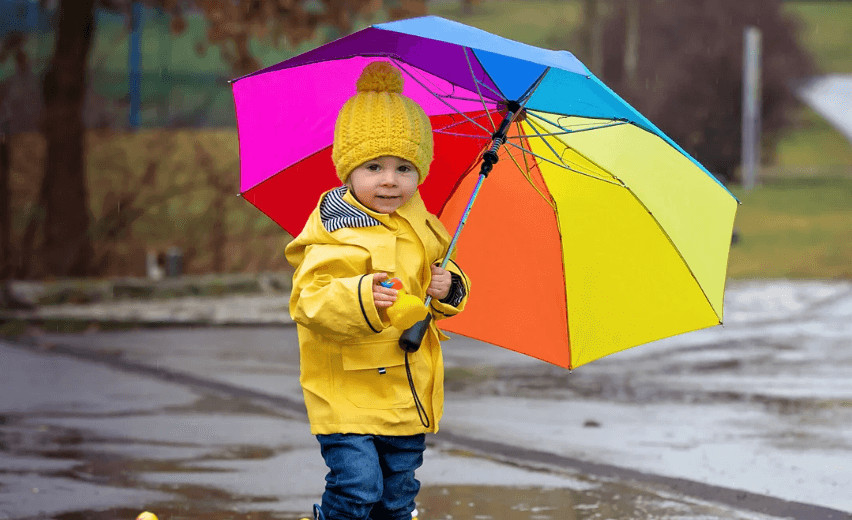
Quick Do and Don’t Guide After a Storm
Do:
- Do wait until an adult checks the yard before going outside.
- Do wear closed-toe shoes with good grip.
- Do stay away from standing water.
- Do report fallen wires right away.
- Do check play equipment before using it.
- Do wash hands after outdoor play.
- Do talk about anything that felt scary.
Don’t:
- Don’t touch or go near fallen power lines.
- Don’t play in puddles or floodwater.
- Don’t climb trees after heavy wind.
- Don’t use outdoor equipment without checking it.
- Don’t ignore strange smells like gas.
- Don’t rush back outside just because the sky is clear
Final Safety Reminders for Families
When the sky clears, it feels like the danger has passed. But safety does not end when the rain stops.
A careful walk around the yard. A quick check of equipment. A simple rule about standing water. These small steps protect your children from hidden risks.
Storm safety is not about fear. It is about awareness. When you teach kids to pause, observe, and make smart choices, you give them skills they will use for life.
The goal is simple. Stay alert. Stay calm. Stay safe.