Building healthy habits as a family can be a fun and rewarding experience, especially when kids get to take part in the process. Dental care is one of those everyday routines that can turn into a shared activity instead of a chore. When children feel involved and excited, they are more likely to stick with good habits.
Teaching your child proper dental care early helps set the foundation for strong, healthy teeth. With a little creativity, brushing and flossing can become something your child looks forward to instead of something they try to avoid. By using fun tools, games, and simple routines, families can work together to make dental care a positive part of the day.
Why Early Dental Care Matters
Healthy teeth are important for more than just the prevention of cavities. They allow for proper chewing, aid in the pronunciation of words, and also help to build self-esteem. According to the American Academy of Pediatric Dentistry, it is important for children’s first visit to the dentist to happen by their first birthday to help them become more comfortable with visiting the dentist.
Teaching children about proper oral care at an early age will help them have healthy and strong teeth throughout their lives. Also, children learn best when they have enjoyable and interactive experiences and can incorporate enjoyable means of learning about oral care.
Turn Brushing Into a Game
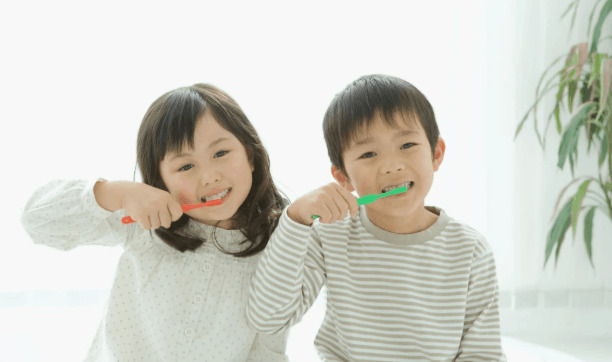
Kids love to play, so turning brushing into a game is one of the easiest ways to get them involved. Instead of rushing through it, make it a fun part of your daily routine that the whole family can enjoy together.
Companies such as Colgate and OralB offer character-specific handles for kids to make it easier for them to use them. Let your child pick out a toothbrush with their favorite character or bright colors to make it feel special. You can also use apps like Brush DJ or Disney Magic Timer to play music or animations while they brush for two minutes.
To make things even more exciting, try a simple family challenge. You can create a points system or a sticker chart where kids earn rewards for brushing regularly. When brushing feels like playtime, kids are much more likely to stay engaged and build the habit naturally.
Flossing Made Easy
The flossing process may seem daunting for children to complete independently. Here are some suggestions to accelerate their learning process and give them positive enthusiasm towards the task of flossing:
Flossing is easier when your child uses a smaller size floss pick or flosser. If children see their teeth as small “castles” they can think of defeating the “candy monster” from within the castle and therefore have a more visual image that will help them floss.
At about 8-11 years of age, most children are ready to learn to floss their own teeth. If you provide the necessary care and instruction for your child to learn how to floss correctly and safely, they will do so on their own. Showing the process of flossing using gaming techniques with your child will allow them to find fun in taking care of their mouth.
Kid-Friendly Dental Products
The appropriate types of dental products can greatly reduce your fear factor about performing dental care at home. The appropriate level of fluoride in toothpaste, appropriately sized toothbrushes (for small mouths), combined with flavors such as strawberry or bubblegum, can make tooth brushing a fun, exciting activity that children will look forward to.
In addition to many popular brands of children’s tooth care products, such as those from Tom’s of Maine and Hello Kids, Cherry has products for children that are not only effective for your child’s oral health, but that your child will also enjoy using. The right products encourage children to become active participants in their own dental care.
Making Dental Visits Fun
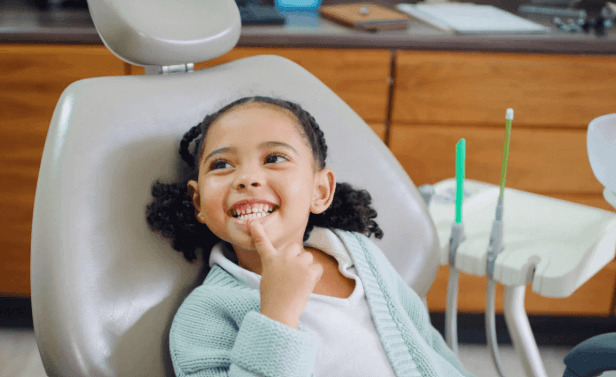
Dental hygiene is very important, but even with the best products you still will need to go to the dentist. Start early in getting your child accustomed to the dentist. For example, before you take your child to the dentist, let them practice sitting in a dentist’s chair and using a stuffed animal as their patient.
Pediatric dentists usually have offices decorated with bright colors and have games for the children to play with. When your child cooperates with the dentist, give them some praise and a small treat. The goal is to create happy memories about dental care and not fearful ones.
Make Learning About Teeth Playful
Learning about dental care does not have to come from lectures or reminders. It can be something you explore together in fun and creative ways.
Reading books like “Brush, Brush, Brush” or watching short clips from shows like Sesame Street can help kids understand why dental care matters. You can also turn learning into an activity by creating a brushing chart together and letting your child track their progress each day.
Simple activities like these give kids a sense of ownership and make them feel proud of their efforts. When learning feels like play, kids are more likely to stay interested and take part in their own care.
Healthy Habits Beyond Brushing
Helping kids build healthy dental habits does not have to be a struggle. When families turn these routines into shared activities, children feel more involved and confident in taking care of their teeth.
From playful brushing games to simple daily routines, small efforts can make a big difference over time. When kids are part of the process, they are more likely to stay consistent and carry these habits with them as they grow.
By making dental care fun, interactive, and part of your family routine, you are not just teaching good habits. You are creating positive experiences that support your child’s health for years to come.