
A child’s bathroom is one of those spaces that quietly works hard every single day. It needs to handle splashy toddler baths, messy art experiments, sticky toothpaste fingerprints, and eventually, a teenager who suddenly cares about mirror lighting.
For families in Albany, NY, planning a bathroom that adapts through each stage means thinking past the cute rubber ducky phase and looking ahead to the years when your child wants privacy, personality, and proper storage. The trick is building a foundation that flexes with growth, without forcing a complete overhaul every few years.
Starting With a Long-Term Plan
Most parents jump straight into colors and themes, but the strongest kid-friendly bathrooms begin with structure. Layout, plumbing positions, and storage zones shape how the room functions for the next decade or longer. Once those bones are right, surface choices become a far smaller battle later on.
Mapping out which features should stay fixed and which should be swappable saves you from costly rework once your child outgrows step stools and bath toy bins. Regional knowledge matters too, since older homes often come with quirks that affect how a bathroom can be reworked. Get in touch with local Albany NY bathroom remodelers before any tile gets pulled or fixtures get ordered.
Choosing Fixtures That Adapt Through the Years
Toddlers need low access. Older children want independence. Teenagers want the room to feel a little more grown-up. Picking fixtures that work for all three stages is the quiet secret behind a bathroom that ages well. Sinks at standard adult height, paired with a sturdy step stool, will outlast a tiny low-mounted basin that looks adorable for two years and then becomes useless.
Faucets with single-lever handles are easier for small hands to manage and stay relevant as kids grow. Shower controls placed within reach, but with anti-scald protection, give younger users confidence while keeping safety locked in. Tubs with a built-in seat or a wide ledge make bath time easier for parents now and double as a handy spot for shampoo bottles when your child showers solo later.
Smart Storage That Evolves with Their Stuff
The contents of a kid’s bathroom change dramatically over the years. Bath toys give way to swim goggles. Character toothbrushes turn into electric ones. Eventually, hair products, skincare bottles, and personal items take over the counter. Storage planning has to anticipate all of this without locking you into one phase.
Deep drawers work better than fixed shelves because they swallow whatever the current chapter brings. A tall cabinet with adjustable shelves can hold towels and toy bins early on, then shift to organizing toiletries and personal care items as your child gets older. Open cubbies near the tub are wonderful for younger kids who want to grab their own bath toys, but make sure they can be cleared out and repurposed later for folded towels or baskets.
Hooks placed at two heights, one low and one higher, let small children manage their own towels while still working for adults and growing teens. It is a small detail that pays off for years.
Safety Features That Stay Relevant
Safety in a child’s bathroom is not just about toddler-proofing. Many of the features that protect a small child also serve teenagers and adults beautifully. Slip-resistant flooring is one of the best investments a family can make. Textured tile or quality vinyl gives traction during the splashy years and continues to prevent falls long after.
Rounded vanity edges reduce the impact of inevitable bumps when little ones are still finding their balance. Tempered glass on shower enclosures, soft-close toilet seats, and anti-scald valves are features you install once and benefit from forever. Good ventilation also matters more than people think. A strong exhaust fan keeps moisture down, protects walls and finishes, and helps with the steamy showers teens are notorious for.
Surfaces and Finishes That Forgive Real Life
A child’s bathroom takes a beating. Splashed water, dropped toys, marker accidents, hair dye experiments during the tween years, you name it. Choosing surfaces that wipe clean and resist staining is one of the kindest things you can do for your future self.
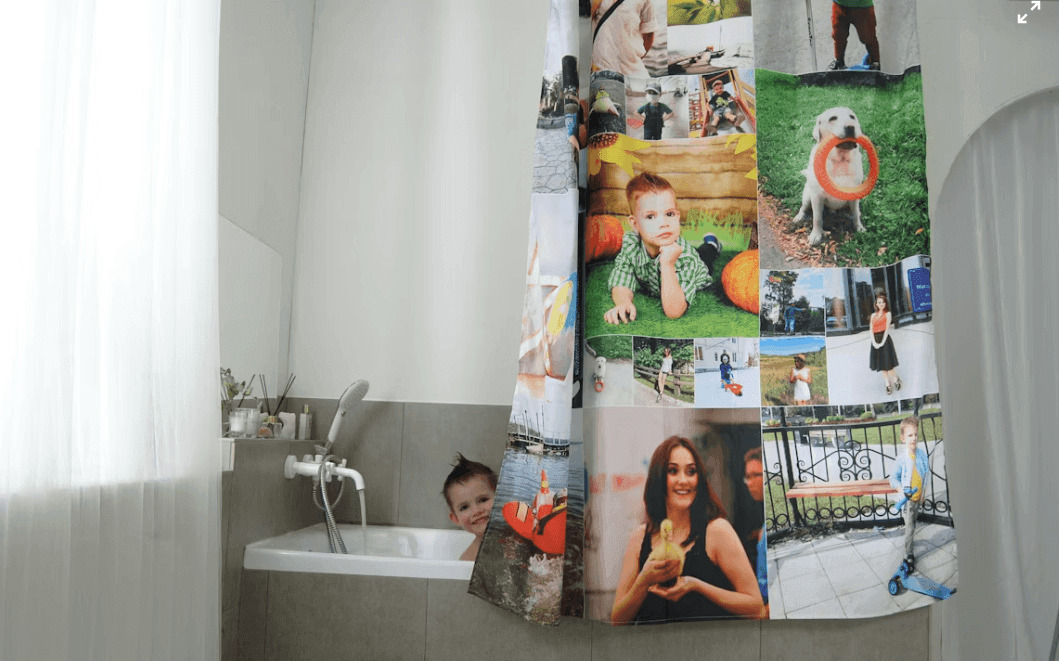
Solid surface counters or quartz handle daily abuse better than porous stone. Semi-gloss or satin paint on the walls is far easier to scrub than a flat finish. Larger format tiles mean fewer grout lines, which translates to less scrubbing. Neutral wall colors and timeless tile choices let you adjust the personality of the room with towels, art, or shower curtains as your child’s tastes shift from animals to sports to a minimalist phase you never saw coming.
Lighting That Works for Bath Time and Beyond
Lighting often gets treated as an afterthought, but it shapes how a bathroom feels and functions across every stage. Soft, warm overhead lighting creates a calming mood for younger kids during evening baths. Layered lighting around the mirror becomes essential when older children start brushing teeth properly, washing faces, and eventually figuring out skincare or shaving.
Dimmer switches are quietly one of the best additions to a kid’s bathroom. They allow for low light during a soothing nighttime routine and bright, clear light when something needs attention. A small night light or motion-activated floor light helps young children navigate confidently after dark and continues to be useful for years.
A Bathroom That Honors Every Stage
The most successful kid-friendly bathrooms feel less like a themed room and more like a thoughtful space that welcomes whichever version of your child is using it that year. They handle bubbles and toy boats just as gracefully as hair tools and a teenager’s first attempt at a skincare routine. With a layout built for the long haul, fixtures chosen for adaptability, and finishes that forgive the chaos, the room quietly becomes one of the most-used and most-appreciated parts of the home.
Designing this way takes a little more patience at the planning stage, but the payoff stretches across every birthday, every growth spurt, and every new phase your child grows into.