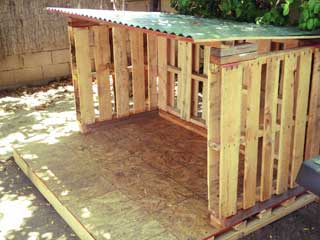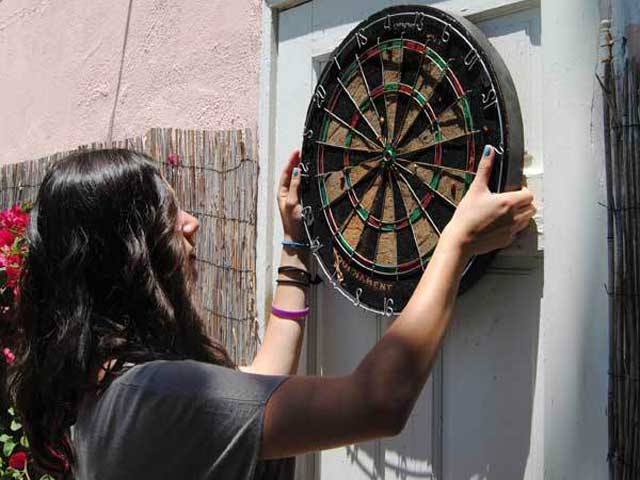
Across Chicago, many families use DIY projects to spend time together, teach practical skills, and encourage creativity. Parents build shelves in basement workshops, repaint bedrooms in older apartments, assemble backyard playsets, and involve kids in simple woodworking or repair projects at home.
These activities can be rewarding, especially when children are given safe, age-appropriate tasks. However, home projects can also expose kids to risks they may not recognize. Power tools, unstable ladders, exposed nails, loose cords, slippery floors, and improperly stored materials can cause serious injuries in seconds.
Chicago homes can present added challenges for family DIY work. Smaller living spaces, shared garages, narrow staircases, older construction materials, and limited storage areas can increase accident risks when work areas are not carefully organized. In multi-family buildings or shared outdoor spaces, children may also encounter tools or equipment left unattended by others.
Teaching kids how to identify hazards before a project begins helps reduce these risks. Children who learn to stop, observe, and ask questions are more likely to notice unsafe conditions before someone gets hurt.
Safety awareness also matters because child injuries can create long-term consequences for families. A serious fall, burn, eye injury, or deep cut may require emergency care, follow-up treatment, missed school time, or ongoing medical support. In some situations, parents may later discover that an injury could have been prevented if tools were properly stored, a dangerous condition had been addressed, or supervision had been handled more carefully.
For Chicago families, teaching children to recognize hazards before starting a project is one of the most valuable safety habits to build at home.
Teach Kids the “Stop, Look, Ask” Rule Before Every Project
One of the easiest ways to reduce DIY-related injuries is to teach children a simple routine before any project begins. Parents can encourage kids to stop, look around the space, and ask questions before touching tools or materials.
Many accidents happen because children move too quickly into a project without understanding the environment around them. A child may step on loose hardware, trip over an extension cord, grab a sharp tool, or stand too close to someone using equipment.
Parents can walk through the area with their child and point out things that require caution, such as sharp edges, exposed nails, power cords, wet floors, stacked materials, hot glue guns, unstable stools, and tools left plugged in.
Children should also feel comfortable asking questions before starting a task. Useful questions include:
- Is this safe for me to touch?
- Do I need help from an adult?
- What could go wrong if I rush?
These conversations help children develop awareness that applies beyond the workshop. Kids who learn to identify hazards during DIY projects may also become more cautious around playground equipment, bikes, sports gear, and everyday household items.
Common DIY Hazards That Can Lead to Child Accidents
Children do not always recognize danger the same way adults do. A loose board, dangling cord, or cluttered floor may seem harmless to a child who is focused on joining the project.
Falls are among the most common accidents in home workspaces. Kids may climb onto stools, lean against unstable surfaces, or lose balance while carrying materials. Garages, basements, and outdoor work areas often contain uneven flooring, tools on the ground, or slippery surfaces.
Cuts and puncture wounds are also common during family projects. Utility knives, exposed nails, saw blades, broken wood, and metal edges can injure children who are moving too quickly or handling unfamiliar tools.
Eye injuries can happen when dust, wood chips, paint particles, or small debris become airborne during cutting, sanding, or drilling. Parents should make eye protection part of any project where debris may be present.
Burn injuries are another concern. Glue guns, heat tools, soldering equipment, extension cords, and overloaded outlets can create hazards for younger children. Kids may also touch recently used tools without realizing they are still hot.
In some cases, child injuries happen because dangerous conditions were ignored or safety precautions were not followed. When an accident leads to serious medical complications, some families choose to speak with a child accident attorney in Chicago to better understand whether unsafe conditions, poor supervision, or negligence may have contributed to the injury.
When a Child Accident May Raise Legal Questions
Most family DIY projects are completed safely when adults supervise children carefully and keep workspaces organized. Still, some accidents raise questions about responsibility when an injury could have been prevented.
After a child gets hurt, parents usually focus first on medical care. Once the immediate emergency passes, families may begin reviewing how the accident happened and whether unsafe conditions played a role. Injuries may occur because tools were left unsecured, hazardous materials were accessible, defective equipment was used, or a workspace was not properly maintained.
Responsibility can become more complicated when a child is injured outside their own home. A DIY activity hosted by relatives, neighbors, schools, community groups, or other families may involve questions about who controlled the property, supplied the equipment, or supervised the children.
Legal questions may include:
- Was the workspace reasonably safe for children?
- Were dangerous tools or materials left within reach?
- Was the child properly supervised for their age?
- Were safety instructions ignored?
- Did defective equipment contribute to the injury?
These issues can become especially important when a child suffers injuries that require surgery, rehabilitation, long-term treatment, or extended recovery time. Medical expenses, emotional stress, missed school, and ongoing physical limitations can affect the entire family.
Legal deadlines may also apply depending on the circumstances. In Illinois, personal injury claims often have filing limits, though cases involving children can depend on the child’s age and the facts of the accident.
What Parents Should Document After a DIY-Related Injury
When a child gets hurt during a home project, documentation can help families understand how the accident happened and whether unsafe conditions contributed to the injury.
Parents should take photos of the area before anything is cleaned up or moved. This may include tools left out, broken equipment, exposed cords, slippery flooring, unstable ladders, or scattered materials.
If a specific tool or product was involved, families should avoid throwing it away immediately. Damaged equipment, defective safety features, cracked materials, or malfunctioning power tools may help explain what happened. Receipts, instruction manuals, and packaging can also be useful.
Parents should also write down key details while the event is still fresh, including the date and time, who was supervising, what task the child was performing, whether safety instructions were given, which tools were involved, and how the injury occurred.
Medical documentation matters as well. Families should keep emergency room records, doctor evaluations, prescriptions, imaging results, therapy recommendations, and follow-up appointment notes. Even injuries that appear minor at first can sometimes develop into larger medical concerns.
Parents can also review trusted resources on home injury prevention to better understand common household hazards and safety practices.
How to Make a Kid-Friendly Safety Walkthrough Part of Every Project
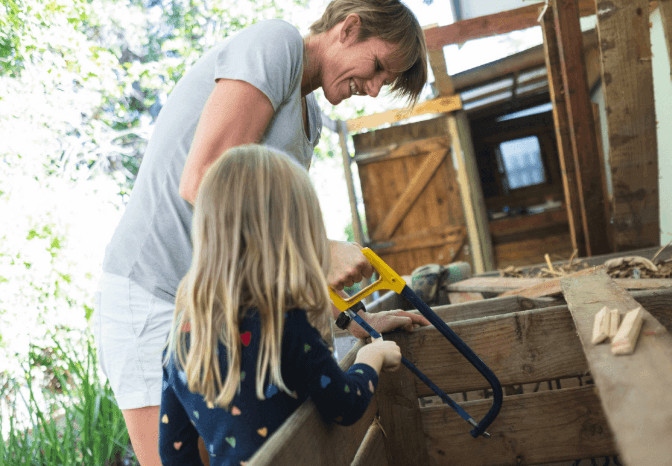
Children are more likely to recognize hazards when parents involve them in safety discussions before work begins. A quick walkthrough can help kids slow down, observe their surroundings, and think more carefully about risk.
Before starting a project, adults can walk through the workspace with their child and ask simple questions:
- What could fall or tip over?
- Is anything sharp nearby?
- Where should we stand while tools are being used?
- Are there cords on the floor?
- Which tools are only for adults?
- What should we do if something feels unsafe?
These conversations help children understand that safety is part of building and creating things. Parents can frame safety rules as skills that careful builders use every day.
Visual organization also helps. Separating tools, materials, and walking areas makes it easier for children to understand where they should and should not go during certain tasks. Families who work on regular home projects can benefit from practical tool storage ideas that make workshops and shared spaces easier to manage.
Safety walkthroughs are especially important before projects involving ladders, electrical tools, paint supplies, cutting equipment, or heavy materials. Children may not recognize the danger unless adults explain the risks directly.
Match the Child’s Role to Their Age, Focus, and Skill Level
One of the most effective ways to prevent DIY-related injuries is to give children tasks that match their age, attention span, and physical ability. Kids often want to do the same work they see adults doing, but many tools and materials require judgment, strength, and coordination that younger children are still developing.
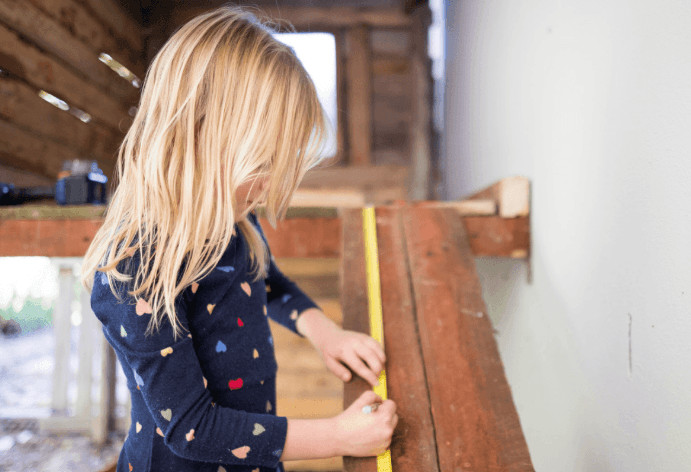
Parents can make projects safer by assigning clear roles before work begins. Younger children may sort screws, hand over lightweight materials, hold a measuring tape, paint with washable supplies, or clean up soft materials. Older children may be ready for sanding, measuring, simple hammering, or supervised hand-tool use, depending on their maturity and experience.
Power tools, sharp blades, heavy lifting, electrical work, chemical products, and ladder use should remain adult-controlled tasks unless a child has the training, strength, and direct supervision needed to participate safely. Even then, parents should stay close enough to step in immediately.
Focus level matters as much as age. A child who is tired, frustrated, excited, or distracted may be more likely to ignore instructions or move suddenly into a dangerous area. Parents should pause the project if a child is having trouble listening, rushing, or treating tools like toys.
Protective gear should also fit properly. Safety glasses that slide down, gloves that are too large, or loose clothing near moving parts can create new hazards. Parents should check that children understand why each item is used and how to wear it correctly.
Clear supervision can help prevent injuries and clarify responsibility if an accident occurs. When adults set expectations, control access to dangerous tools, and adjust tasks based on a child’s abilities, they create a safer environment for everyone involved.
Safety Habits Protect Kids Before Problems Happen
DIY projects give children opportunities to learn patience, creativity, responsibility, and practical skills they can use throughout life. Whether families are building a backyard project, repairing furniture, organizing a garage, or working on small woodworking activities together, children benefit from hands-on experiences at home.
Every project should begin with the understanding that familiar spaces can still contain hidden hazards. A cluttered floor, unsecured ladder, exposed blade, overloaded outlet, or poorly stored tool can quickly turn a simple activity into a serious accident.
Teaching children to slow down, observe their surroundings, ask questions, and follow consistent safety routines helps reduce preventable injuries. These habits become more valuable as children gain confidence and take on more responsibility during projects.
Parents also benefit from approaching DIY activities with preparation and supervision in mind. Organized workspaces, age-appropriate tasks, proper safety gear, and clear communication all help create safer environments for children.
For Chicago families working on projects at home, these lessons can make a meaningful difference in protecting children from avoidable harm while helping everyone enjoy hands-on activities more safely.