Somewhere between second grade and middle school, a kid comes home with a zodiac sign. They announce it like a fact about themselves. A parent then has about four seconds to decide what to say. The honest answer turns out to be more interesting than either a lecture or a shrug.
The question is not rare. In a fall 2024 survey of 9,593 adults, Pew Research Center found 27 percent of US adults say they believe in astrology. Wider tallies of belief data repeat that same finding, noting that 27% of US adults believe in astrology. Pew recorded 29 percent when it asked an identical question back in 2017. Astrology is not a science, and nothing below treats it as one.
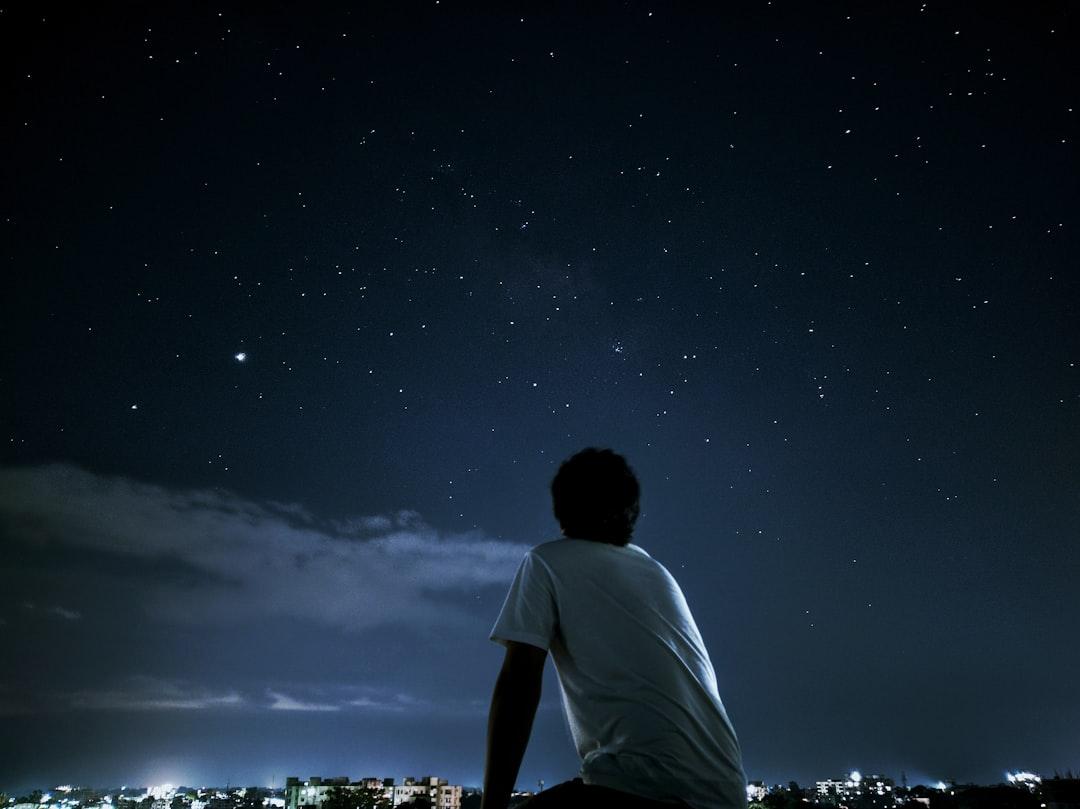
Photo by Stellar_speck on Unsplash
Why Do Star Signs Reach Kids First?
Star signs travel through playgrounds, apps and older siblings. They arrive dressed as a personality quiz, not as a claim about physics. A child gets a label, a color and a short list of traits. Astronomy usually shows up later, through a classroom unit on the solar system.
The pull is social more than anything else. Sharing a sign is a fast way to compare notes with a new friend. Adults do the same thing with sports teams and hometowns. Curiosity that gets treated with respect usually keeps talking.
How Many Adults Actually Believe In It?
Pew’s fall 2024 work gives the clearest recent picture in the US. Believing something and relying on it are separate questions, and the survey asked both. Almost nobody in the sample leans on these practices when a major decision is on the line. Curiosity is common and commitment is rare.
Belief also splits sharply by group. Pew found 35 percent of women said they believe in astrology, against 18 percent of men. Among women aged 18 to 49, the share rose to 43 percent, against 20 percent of men the same age. Pew also reports that Americans under 65 believe more often than those 65 and older. Those numbers count what people believe, not whether anything works.
How Do You Explain the Difference to a Child?
The line between astronomy and astrology is short enough for a nine-year-old. One field measures things. The other assigns meanings to them. Astronomers make predictions that can be tested, and wrong answers get discarded. Astrology makes claims that no test can settle either way.
Photo by Annie Spratt on Unsplash
Children handle that distinction well when it does not arrive as a scolding. Three plain sentences usually cover it.
- A constellation is a pattern of stars that people named thousands of years ago.
- Astronomy is the study of what those stars are actually made of.
- Astrology is a set of traditions about what the sky is supposed to mean.
You can say the constellations are real and the meanings people attach to them are a human invention. Both halves fit in one breath. The stories are genuinely old and worth knowing, and the physics is the part that gets tested.
Turning the Question Into a Night Outside
A star sign question is really an invitation to go outside after dark. Families who take children out under a dark sky need very little gear to begin. Eyes, patience and a clear evening cover most of it.
Give everyone twenty minutes with no screens so night vision has time to build. A red flashlight keeps that vision intact while you check a chart. Pick one target for the night instead of six. Orion in winter and the Summer Triangle in July are forgiving places to start.
Making the Backyard Session Work
A few small choices decide whether anyone wants to do it again.
- Put a blanket down so nobody is craning their neck.
- Check moonrise, because a full moon washes out faint stars.
- Let your child find the target and name it out loud.
- Keep it short the first time and stop while it is still fun.
Bring the interest back indoors afterward. A star atlas earns its keep in a reading nook you build together, where a kid can flip through it on a rainy afternoon. Paper charts also age better than an app that changes every year.
Where the Curiosity Can Go Next
Drawing is a good second step. Children can invent their own constellation and write the story behind it, which is exactly what ancient cultures did. That project fits neatly into a kid friendly art studio at home with cheap black paper and a white pencil. The invented myth makes the point about human storytelling better than any explanation.
Older kids may want a permanent spot to watch from. Even a treehouse built without a tree works as a small observation deck on a warm night. Height matters less than a clear view and a place to sit still.
Three cheap next steps keep the momentum going.
- Borrow binoculars before buying a telescope nobody uses.
- Look up the next meteor shower and put it on the family calendar.
- Find a local astronomy club night, since members bring the big scopes.
Answering Honestly and Leaving Room for Wonder
None of this means signing a child up for a reading. Divination content is written for adults, and the sites that host it describe it as entertainment. Keep the family version to sky watching, folklore and the odd horoscope read aloud for laughs.
The wonder does not need astrology to hold up. Light from the stars overhead left decades or centuries ago. Answer the star sign question straight, then hand them a blanket and go look.
Frequently Asked Questions About Stars and Star Signs
Is Astrology a Science?
No. Astronomy is the science that studies objects in space using measurement and testing. Astrology assigns human meanings to the positions of those objects. Those meanings cannot be confirmed or ruled out by experiment.
How Do I Answer a Child Who Says They Are a Leo?
Take the interest seriously and separate the two ideas. Say that Leo is a real constellation and that the personality part is a tradition people invented. Then ask whether they want to go find it in the sky.
What Age Is Good for a First Stargazing Night?
Around five or six works for a short session. Younger children usually last ten minutes, which is fine. Keep the first outing brief and end it before anyone gets cold or bored.
Do Star Signs Match the Constellations Overhead?
Not closely any more. The zodiac dates in a horoscope were fixed long ago, while Earth’s slow wobble has shifted the sky since. The sun is often in a different constellation from the one your sign names.