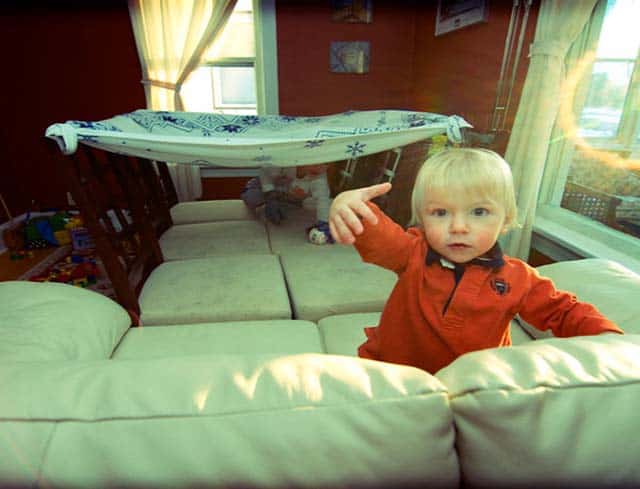
Many basements start as storage zones. They hold old boxes, unused furniture, and things you might need “someday.” But that space has so much more potential. With the right plan, you can turn it into a bright, exciting playroom where your kids feel free to explore, create, and burn off
energy.
A basement playroom gives children a place that feels like their own. They can build forts, play board games, and invite friends without taking over the entire house.
Of course, this kind of project takes more than a fresh coat of paint. You need to think about safety, lighting, storage, layout, and comfort.
In this guide, we’ll walk through smart, kid-friendly design ideas that help you transform your basement into a fun and safe playroom that works for your family now and grows with your children over time.
Start With a Clear Purpose for the Space
Before you move anything downstairs, slow down for a minute. Ask yourself what this room is really for. Is it a place where your kids can run around and burn energy? Or do you want a calmer setup with books, puzzles, and art supplies? The answer shapes everything.
If you skip this step, the room can turn into a random mix of stuff. A small couch here, a toy bin there, and suddenly the space feels crowded. When you decide on the main goal first, you avoid that mess. You design with intention.
Bring in the Right Help
Basements come with real limits. Some feel darker than the rest of the house. Some stay cooler. Others have low ceilings or awkward support beams. You also need to think about moisture and airflow. These details matter more than paint color.
This is where experienced basement contractors step in. They know what works and what doesn’t in below-ground spaces. If you want to add lighting, change flooring, or build storage into the walls, they can tell you what’s realistic. They also understand safety codes and structural rules. Instead of guessing, you get guidance that turns your vision into something solid and doable. That kind of support saves time and frustration.
Prioritize Safety From the Start
A playroom should feel relaxed, but safety has to come first. Walk through the basement and look at it from a child’s height. You might notice things you missed before. Sharp corners. Loose cords. Wobbly shelves.
Anchor heavy furniture to the wall. Cover outlets. Keep wires tucked away. If stairs lead straight into the space, consider a secure gate for younger kids. It’s easier to handle these details now than after the room is finished.
Check the floor carefully too. Uneven spots or cracks can lead to trips. Make sure windows open properly and that exits stay clear. When the basics are secure, everyone feels more comfortable using the room every day.
Choose Kid-Friendly Flooring
Basement floors often feel cold and hard. That doesn’t mix well with kids who sit, crawl, and roll around. Flooring can completely change how welcoming the space feels.
Look for something with a bit of cushion. Carpet tiles work well because you can replace one if it gets stained. Foam mats make sense for younger kids. Cork flooring feels warmer than concrete and still holds up well.
Try to avoid slick surfaces. Kids move fast. They don’t think about slipping. A floor with some grip gives you peace of mind.
Brighten the Space With Smart Lighting
Lighting matters more in a basement than anywhere else in the house. Without enough light, the room can feel closed in. Even a great design won’t shine if the space feels dim.
Add strong overhead lighting to brighten the whole area. Then add softer lights in certain spots. A small lamp near a reading chair. Extra light above a craft table. Layering light makes the room feel warmer and more inviting.
Choose bulbs that give off a natural glow. Harsh white light can feel cold. You want the playroom to feel cheerful, not like a storage room with toys in it.
Create Zones for Different Activities
Once the basement feels safe, bright, and comfortable, it helps to break the space into simple activity areas. Kids don’t always play the same way. One minute they’re building something on the floor, the next they want to sit quietly with a book. If everything happens in one big open area, it can start to feel chaotic.
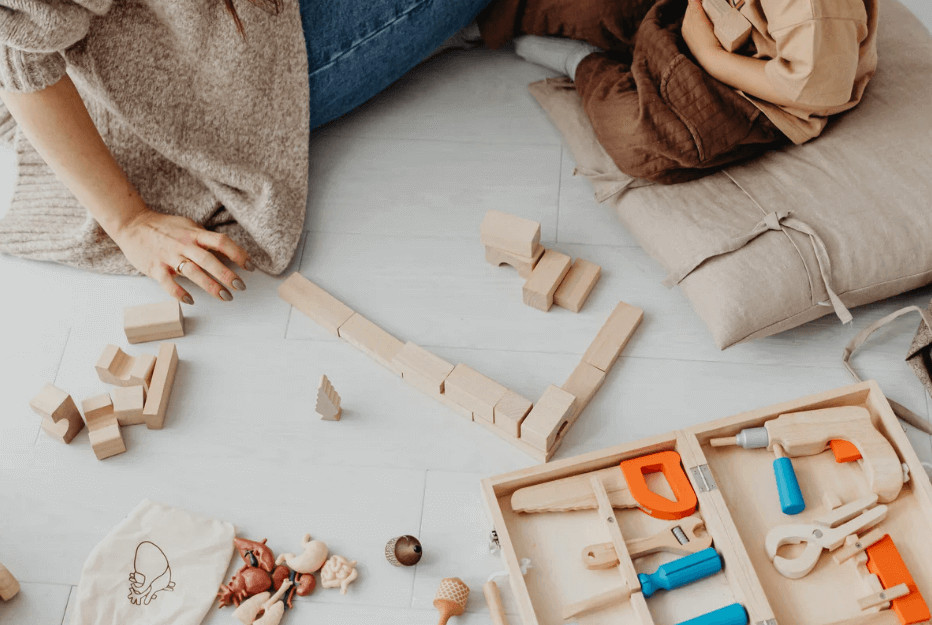
You don’t need walls or anything complicated. Just think in terms of corners and sections. Maybe one side of the room becomes the craft spot with a small table or a playhouse. Another area stays open for active play. A cozy corner with pillows can work as a reading nook. These little zones make the room feel organized without taking away the fun.
Add Smart Storage Solutions
Storage is what keeps a playroom from turning into a disaster zone. Toys have a way of spreading out fast, especially in a big basement space. If you don’t plan storage early, clutter takes over.
Go for options that kids can actually use. Low shelves, simple bins, baskets that slide in and out. If children can reach everything, they can help put things away without needing you every time.
Closed storage helps too. Cabinets or boxes with lids can hide the mess when company comes over. Labeling bins makes life easier, especially for younger kids who like knowing where their favorite stuff goes.
You don’t need to store every toy at once either. Rotating toys every few weeks keeps things feeling fresh and prevents overload. Less stuff out usually means more actual play.
Plan for Easy Maintenance
Basement playrooms get messy. That’s just part of the deal. Paint gets on tables, snacks spill, and somehow there’s always a mystery sticky spot somewhere.
So it helps to choose materials that don’t stress you out. Washable paint on the walls makes a big difference. Stain-resistant fabrics hold up better than delicate ones. Rugs that you can clean easily will save you time.
Think about where the mess will happen most. Craft areas need wipeable surfaces. Snack zones need floors that can handle crumbs. Keeping cleaning supplies nearby, but safely out of reach, makes quick fixes easier.
A low-maintenance space lasts longer and feels more enjoyable to use.
Quick Do / Don’t Guide for Renovation Day with Kids
Do:
- Do explain the plan before work starts. Kids behave better when they know what to expect.
- Do set clear safety boundaries. Point out off-limit zones and tools.
- Do give small, specific jobs. Sorting supplies, taping edges, or sweeping small areas works well.
- Do match tasks to your child’s age and skill level.
- Do supervise closely, even during simple jobs.
- Do take short breaks for snacks and water.
- Do praise effort, not perfection.
- Do keep a basic first aid kit nearby.
Don’t:
- Don’t let kids handle power tools or sharp equipment.
- Don’t assume they understand safety rules without reminders.
- Don’t overload them with too many tasks at once.
- Don’t leave paint, nails, or debris within reach.
- Don’t ignore signs of fatigue. Tired kids make unsafe choices.
- Don’t pressure them to perform like adults.
- Don’t forget to clean as you go.
Building a Basement Playroom Your Kids Will Love
A basement playroom isn’t just about filling a space with toys. It’s about creating a place where kids can grow, relax, get loud, get creative, and feel at home. When you add zones, storage, comfort, and a few fun touches, the room starts to take on its own personality.
And honestly, that’s the best part. Over time, this won’t just be “the basement.” It becomes the place where forts get built, games get played, art gets taped to the walls, and memories quietly pile up without you even noticing.